
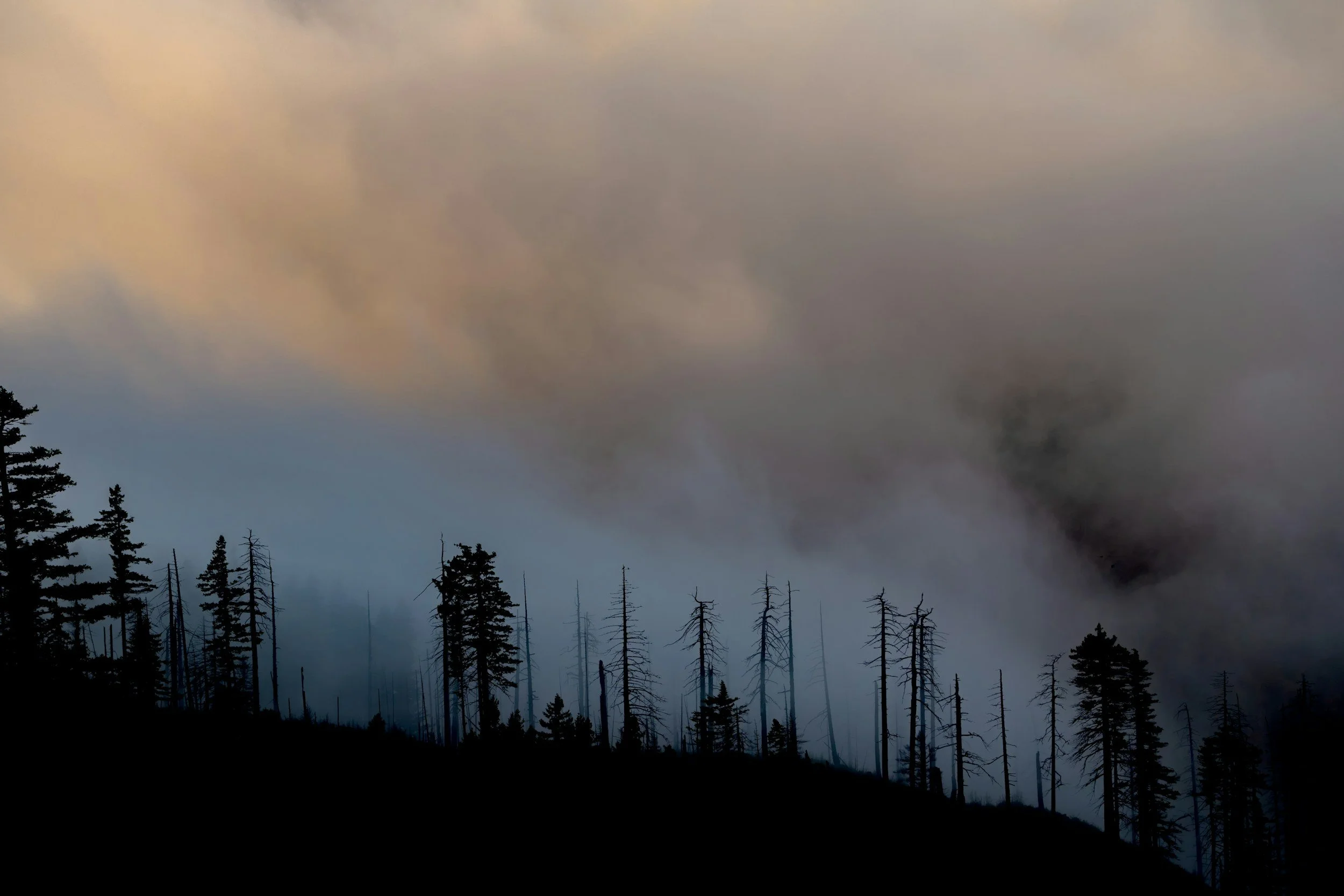
Earth Sciences New Zealand-led analysis in the World Meteorological Organization’s annual report on global greenhouse gases has revealed a shift in the source of methane emissions, potentially signalling the beginning of a large-scale climate change feedback in Earth’s natural system.
The report shows that levels of carbon dioxide and other major greenhouse gases reached unprecedented highs in 2025, continuing to commit the planet to long-term temperature increases.
The World Meteorological Organisation (WMO) Greenhouse Gas Bulletin provides an annual review of the latest greenhouse gas measurements from its global observational network, including data from Earth Sciences New Zealand’s sites at Lauder and Baring Head in New Zealand, and Arrival Heights in Antarctica. The report shows that levels of carbon dioxide and other major greenhouse gases reached unprecedented highs in 2025, continuing to commit the planet to long-term temperature increases.
Concentrations of the more potent, but shorter-lived, methane also reached new highs. However additional analysis of the methane’s isotopic composition – the ‘fingerprint’ of the methane imprinted within its molecules – revealed something startling about its source. From mid-2023 through to 2025 there was a sharp rise in the percentage of methane emissions coming from wildfires compared to methane being released from microbial processes from wetlands or agriculture.