
Flexibility and batteries could lower energy costs by up to $21 billion
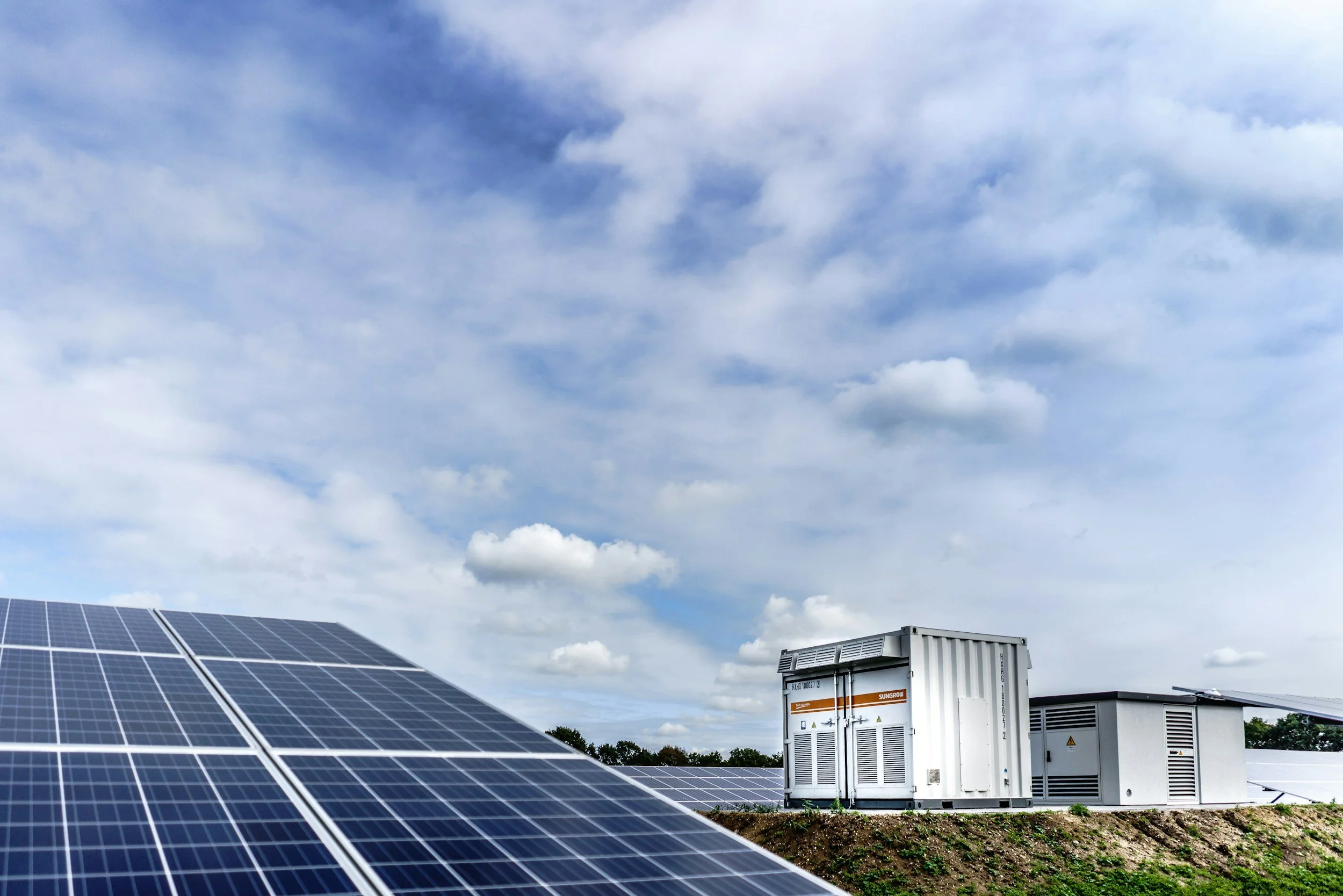
Rapid expansion of flexible electricity use and batteries could be crucial for a secure and affordable energy system, saving energy users between $5.4 and $20.8 billion through to 2050.
Batteries and other technologies that enable flexible electricity use (such as hot water cylinders that can lower their use for short periods or smart home appliances that can “talk” to the electricity network) will enable higher rates of renewable electricity generation and improve access to affordable electricity – saving money for energy users across the economy and enabling more people and businesses to switch from higher-cost imported fuels, particularly in road transport.
The findings come from TIMES-NZ 3.0, a comprehensive model of the whole energy system developed for New Zealand by EECA and the BusinessNZ Energy Council, and which is based on the internationally recognised TIMES modelling platform.