
What happens after a river becomes a legal person?
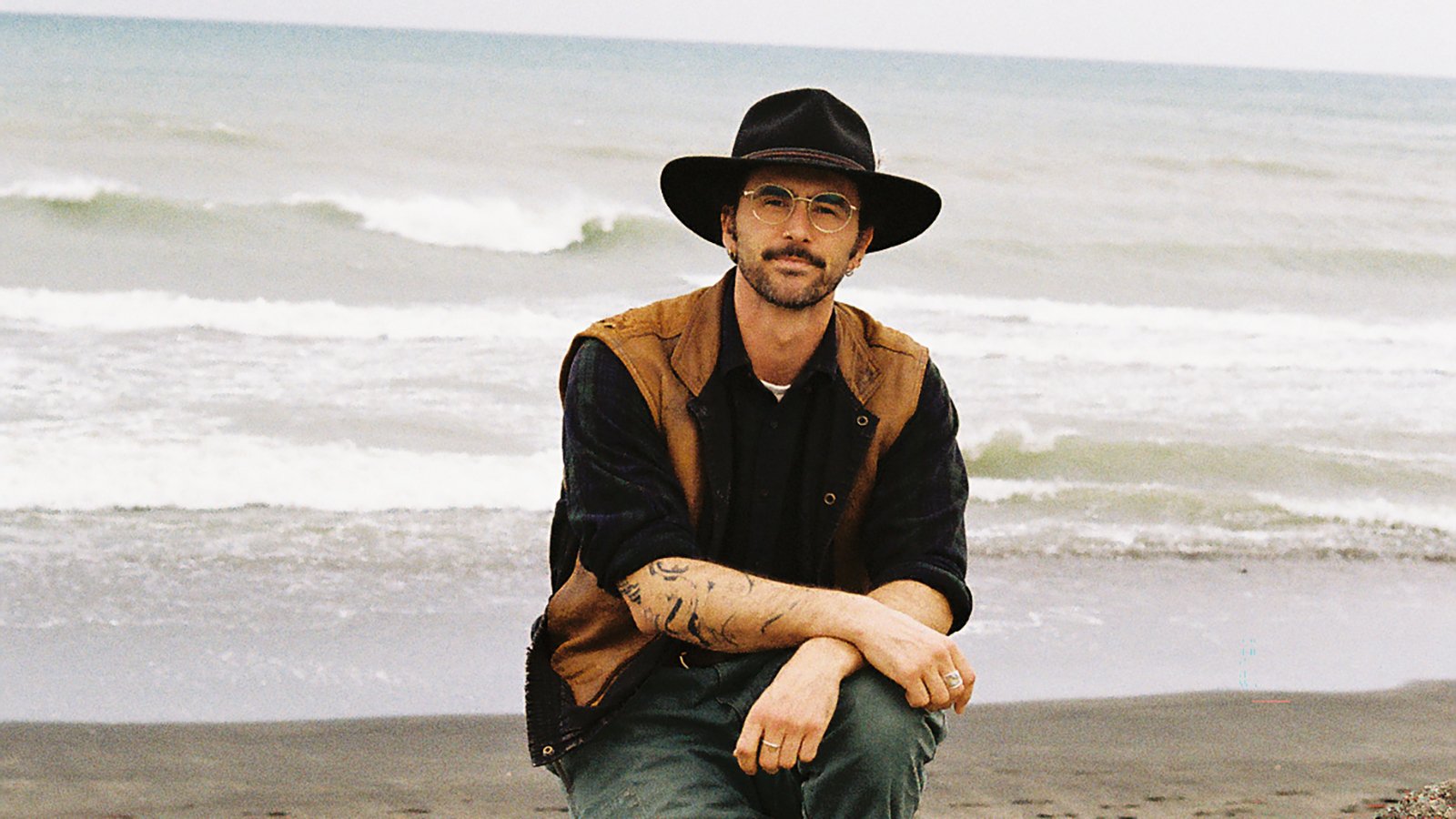
Image: Raffaele Sindoni is a visiting fellow at the University of Auckland’s Te Puna Rangahau o Te Wai Ariki, the Aotearoa New Zealand Centre for Indigenous Peoples and the Law.
A Yale PhD candidate moved to Whanganui to investigate what nearly a decade of legal personhood has meant for Te Awa o Whanganui and its people.
On the banks of the river, Yale School of the Environment PhD candidate Raffaele Sindoni spent much of his time, learning from kaumātua, kaiārahi and rangatahi, playing guitar and absorbing stories and knowledge about the region, particularly Te Awa o Whanganui.
Raffaele, who is also a writer and folk musician, spent five months living in Whanganui, never far from the Whanganui River, the first in the world to be recognised as a legal person in 2017.
The groundbreaking legislation, honouring te ao Māori, inspired communities around the world to explore legal protections for rivers and mountains. It also drew Raffaele to Aotearoa.
His research, in collaboration with Native American tribes and prior scholarship in the United States, led him to investigate the impact of the Te Awa Tupua (Whanganui River Claims Settlement) Act nearly a decade after the river was granted legal personhood.